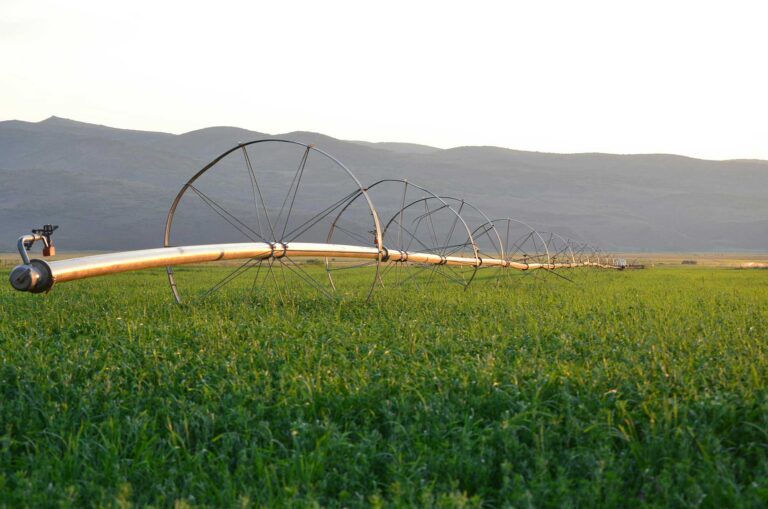
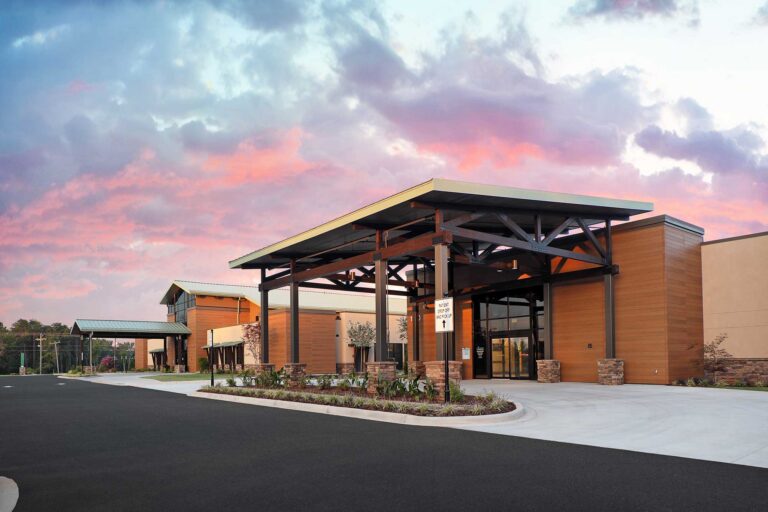
Robert and Mary are Montana ranchers, age 68 and 66 and have owned their agricultural land for 30+ years. They have found a buyer for their place and have some goals they need to make sure happens in the sale.
Their goals are to:
- Defer capital gains tax
- Reduce some of their management burden
- Preserve wealth for heirs (step-up in basis)
Robert and Mary have a sales price of $9,000,000. $2,000,000 of that is adjusted basis, resulting in $7,000,000 of gain. If that gain is fully taxable, they could have taxes approach $1.6M-$2.2M based on capital gains and depreciation recapture.
They know the value of IRS 1031 in their circumstance and want to reinvest all proceeds and defer all taxes. Their problem is they have found a replacement farm for $7,200,000. That will create $1,800,000 in “Boot” (cash not reinvested). The Boot has a taxable portion that if not entirely reinvested is taxable immediately and could be neighboring $400,000 -$600,000 in Federal and State tax.
Solution: Use a DST for the Boot
Robert and Mary purchase the desired agricultural land for the $7,200,000 and use $1,800,000 in the passive investment structure of a Delaware Statutory Trust/DST. A DST gives them fractional ownership in institutional real estate, qualifying as a like-kind exchange property for 1031 purposes, while creating passive income without any management responsibilities.
Resulting in:
- Robert and Mary being completely reinvested via 1031: $9,000,000 Sales price
- Boot: $0
- Taxes deferred: 100% of $7,000,000 gain
- Preservation of their Step-up for estate planning purposes.
Creating Income & Lifestyle Impact
- Agriculture Income: Variable with weather and commodity risk
- DST Income: Stable, e.g. 4.25- 7% annual yield
A DST can be a precision tool allowing investors to:
- Avoid accidental boot
- Fine-tune exact reinvestment amounts
- Transition from active to passive ownership